
TL;DR
Feeling overwhelmed by clutter? Learn **how to declutter your home when you feel overwhelmed** by starting small and staying consistent. Reset your mindset, pick tiny spots, use the 'Take Out 3 Things' rule, and keep a simple decluttering kit ready. Schedule short bursts of focused work, follow the 'Keep, Donate, Trash' system, and celebrate every small win to maintain momentum and create a calmer, more organized space.
Key Takeaways
- Start with a mental reset and acknowledge feelings of overwhelm.
- Tackle one tiny, obvious spot for a quick, confidence-building win.
- Implement the 'Take Out 3 Things' rule daily for effortless progress.
- Assemble a basic decluttering kit (trash, donate, relocate bins) to streamline the process.
- Use the 'Keep, Donate, Trash' system for quick and effective decision-making.
- Schedule short, focused 15-minute decluttering bursts to avoid burnout and build consistency.
That feeling of being swamped by stuff? We’ve all been there – staring at piles and wondering where to even begin. If you're wondering **how to declutter your home when you feel overwhelmed**, this guide will walk you through proven strategies to tackle the mess, one small, manageable step at a time.
**Here's the good news:** You don't need a whole weekend or endless energy to make a real difference. We'll show you how to break down decluttering into bite-sized tasks that actually work, even when you're short on time and motivation. Ready to get started?
#1. Acknowledge the Overwhelm and Reset Your Mindset
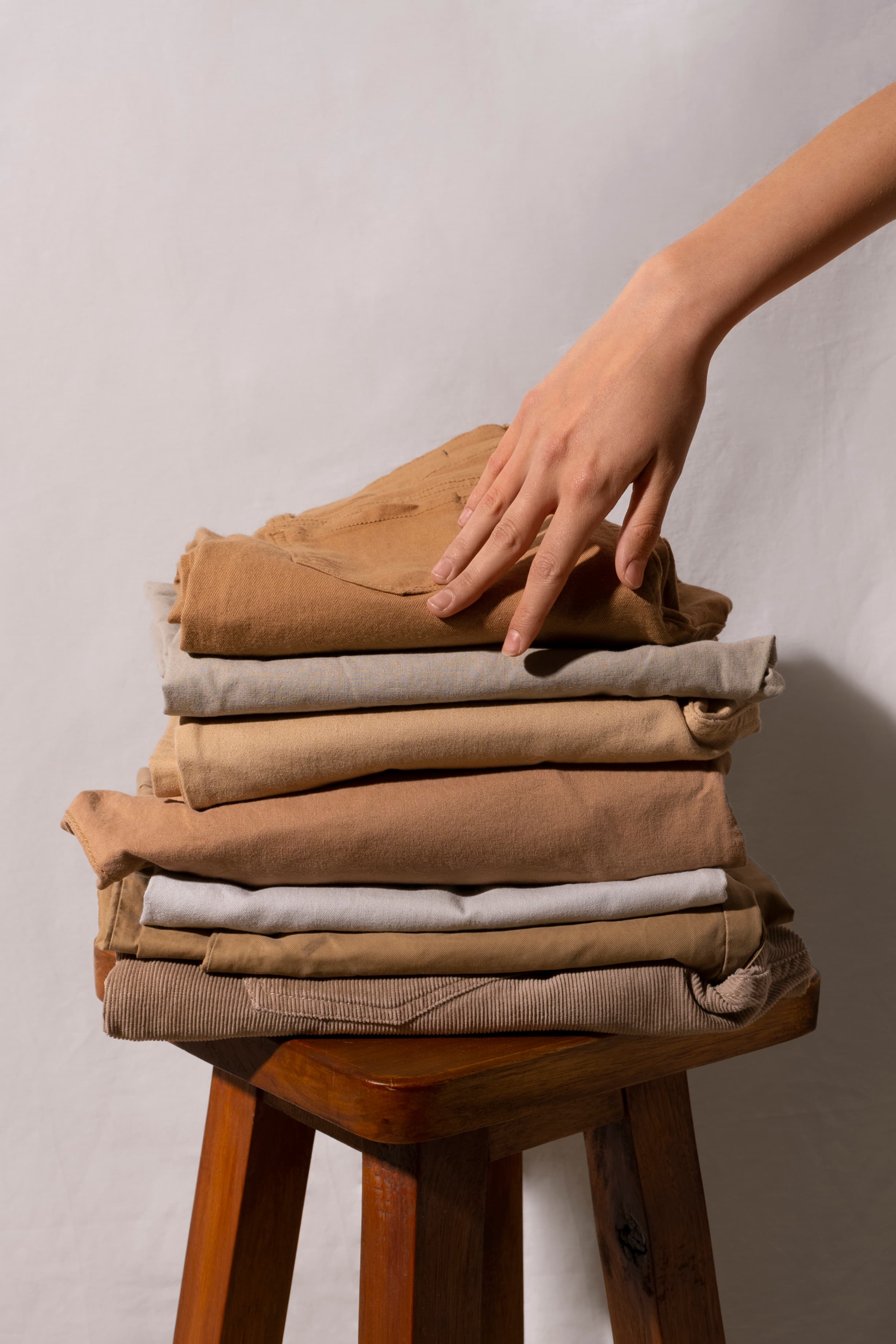
It’s okay to feel completely swamped. That paralyzing feeling often stops us before we even start. The first step to figuring out how to declutter your home when you feel overwhelmed isn’t about picking up a single item; it’s about shifting your mindset and giving yourself grace. Take a deep breath. Acknowledge that this is a process, not a sprint. You're not alone in this.
Start by simply observing one area without judgment. Maybe it's the kitchen counter, or the stack of mail by the door. Don't touch anything yet. Just notice. This quiet observation helps you see the task more objectively, reducing the emotional weight. You're not tackling the whole house; you're just looking at a small corner. This mental reset is crucial for building momentum and easing into the task.
Pro tip: Grab a cup of tea or water. Sit down. Spend 5 minutes just looking at the area you want to tackle. No pressure to start, just observe. This low-stakes approach can quiet that 'too much to do' voice in your head. It's about getting comfortable with the idea before diving in. This gentle start sets a positive tone for what's next. Think of it as stretching before a workout.
Once you’ve taken a moment to reset, you’re ready to pick a truly tiny spot to begin. No grand declarations, just a specific, manageable target. This leads us to the power of micro-actions, which are perfect for anyone feeling overwhelmed by mess.
#2. Pick One Tiny, Obvious Spot for a Quick Win

When you’re feeling overwhelmed, the biggest mistake is trying to tackle a big room. Instead, choose the smallest, most obvious spot you can think of. We're talking about a single drawer, a small section of a bookshelf, or even just the top of your nightstand. The goal here is a quick win, something you can complete in 10-15 minutes. Why? Because success breeds motivation.
Think about that junk drawer in the kitchen. Everyone has one. It’s perfect because it’s small, contained, and often holds items you don’t even remember owning. Grab a small trash bag and a designated 'donate' bin or box. Set a timer for 15 minutes. Work through that drawer, tossing obvious trash and setting aside things for donation. Don’t overthink it. If you haven't used it in six months and it's not sentimental, out it goes. Be decisive!
Quick tip: Keep your decluttering kit (we'll cover this next) nearby. Having your supplies ready eliminates friction. For a junk drawer, that might mean a few small Target Brightroom bins for organizing pens or batteries once you’ve cleared the clutter. These clear bins make it easy to see what you have, preventing future clutter from hiding.
Finishing even this tiny task provides a huge psychological boost. You’ve proven to yourself that you can start, and you can finish. That feeling of accomplishment is what we're after, and it’s surprisingly powerful. Ready to keep that momentum going? Let's talk about a simple rule to keep things moving without feeling like a chore.
#3. Use the 'Take Out 3 Things' Rule Daily
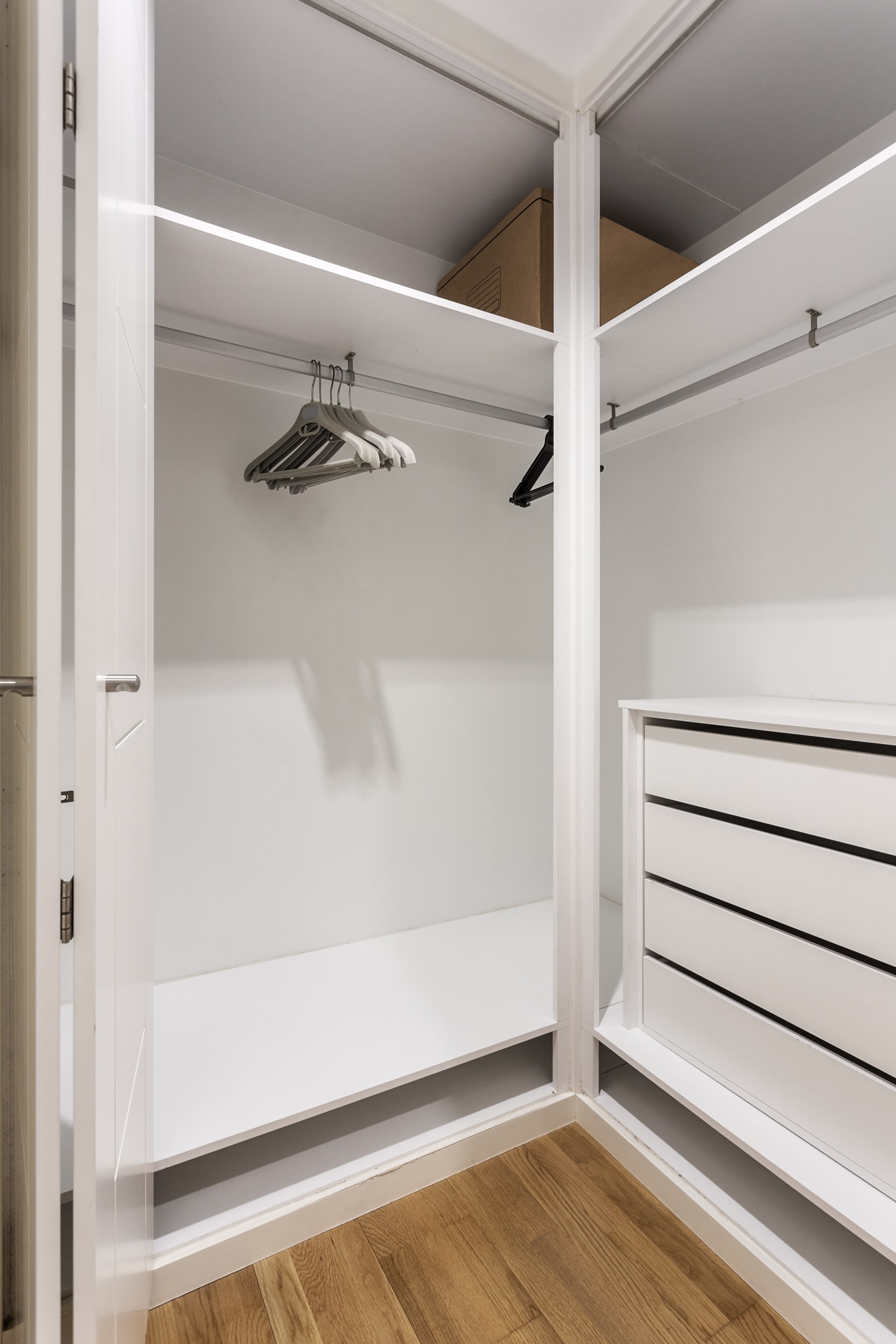
Sometimes, even a tiny spot feels like too much. That’s when you deploy the 'Take Out 3 Things' rule. This isn't about deep cleaning or reorganizing; it's about making incremental progress without engaging your 'overwhelm' trigger. Every day, or even a few times a day, simply identify and remove three items you no longer need or want. It's almost too easy to be true, but it works.
These three items could be anything: an old magazine from the coffee table, a dried-up pen from your desk, a single sock without a mate, or a toy your kids have outgrown. Just three. No more, no less. Put them directly into the trash, a donation bag, or a designated 'to be rehomed' box. The beauty of this method is its low commitment. It feels almost effortless, and it's a fantastic way to manage clutter stress.
Imagine doing this just once a day. That's 21 items a week, over 1000 items a year! It adds up significantly without ever feeling like a chore. This gentle, consistent action builds a habit. You’re training your brain to see clutter and act, rather than freeze. You'll start noticing things you can easily part with, almost on autopilot. It's a subtle shift that makes a big difference.
This rule works perfectly for busy schedules. You can do it while waiting for the coffee to brew, during a commercial break, or before bed. It's a small victory that keeps the decluttering muscle engaged. As you practice this, you'll naturally start finding more than three things. What else makes decluttering easier? Having your tools ready and waiting.
#4. Assemble a Simple Decluttering Kit
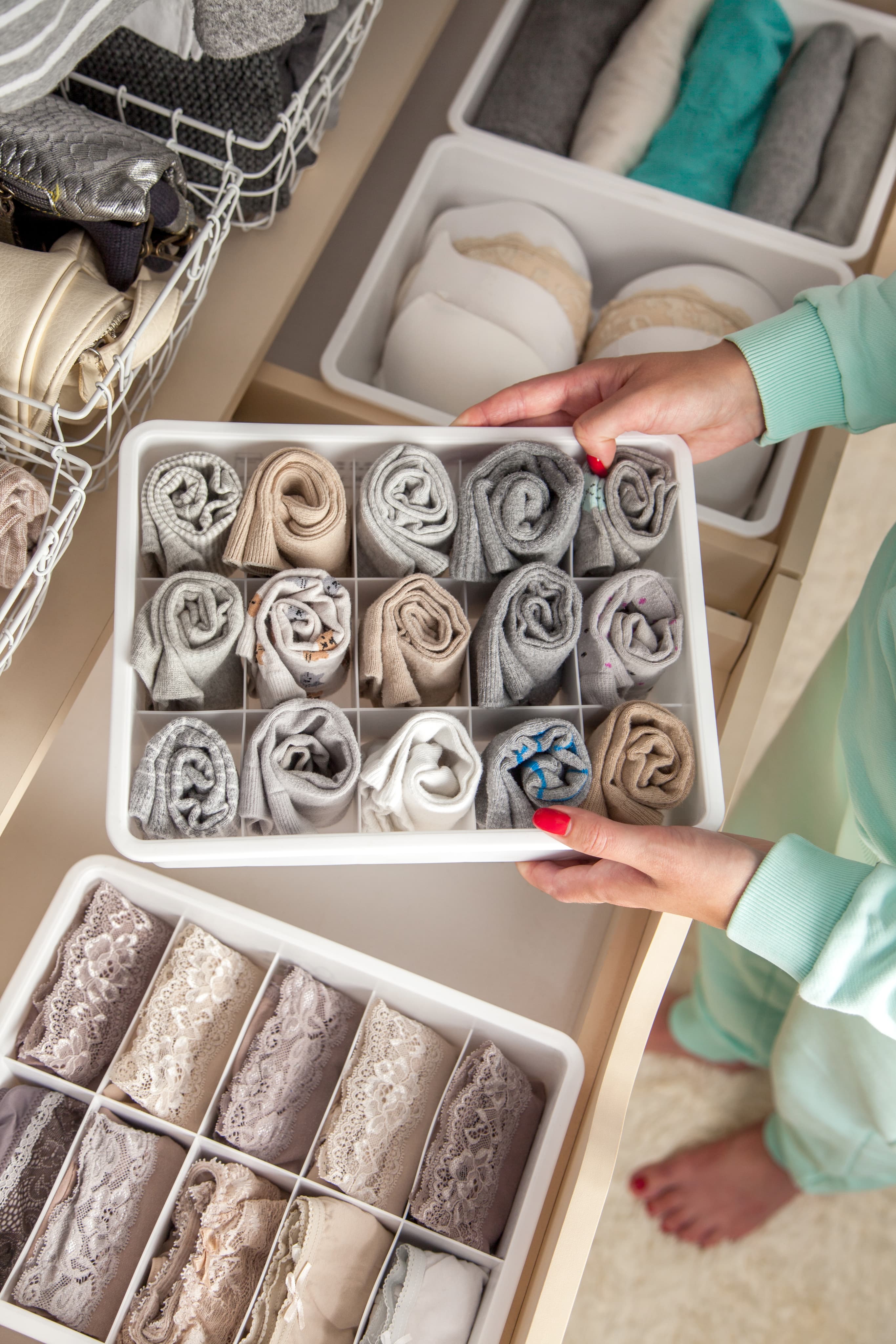
Don't let a lack of supplies stop you before you begin. A simple decluttering kit makes the process smoother and more efficient. You don't need fancy organizers yet; focus on the basics. Gather these items and keep them together in a designated spot, like a laundry basket or a large tote bag, so they're always ready for action.
First, you’ll need at least three containers: one for trash, one for donations, and one for 'relocate' (items that belong in another room). Using clearly labeled bins or even just sturdy shopping bags makes sorting intuitive. For trash, a kitchen-sized garbage bag works great. For donations, a reusable shopping bag or a sturdy cardboard box is ideal. The 'relocate' bin saves you from getting sidetracked by carrying one item to another room, keeping your focus sharp.
Next, add some practical tools. A roll of blue painter's tape and a marker are perfect for labeling boxes or even marking off small zones on a shelf. Keep some basic cleaning supplies, like a micro-fiber cloth and an all-purpose spray, in your kit. This lets you wipe down surfaces immediately after decluttering, giving you that satisfying 'finished' feeling. A small notebook and pen for jotting down tasks (like 'buy more hangers' or 'research storage solutions') is also helpful.
Having your kit ready means you can start a 15-minute decluttering session the moment you have a spare moment. No searching for bags or markers. Everything you need is right there. This preparation minimizes decision fatigue and keeps your flow going. It’s a small investment that pays off big in efficiency. Now that your kit is ready, let's talk about making those tough decisions without getting stuck.
#5. Follow the 'Keep, Donate, Trash' System

This classic system is a decluttering powerhouse, especially when you're overwhelmed. Instead of agonizing over every single item, you make a quick decision and move on. As you pick up each item, ask yourself: 'Do I love it? Do I use it? Does it add value to my life?' Based on your answer, assign it to one of three categories: Keep, Donate, or Trash. This simple framework cuts through the mental clutter.
Keep: These are items you truly love, use regularly, or are genuinely sentimental. Place them back in their designated spot or, if you're working on a larger area, put them in a 'keep' pile to be organized later. The key is to be honest with yourself. If you haven't used it in a year (or even six months for clothes), it probably doesn't belong in the 'keep' pile. Be ruthless, but kind to yourself.
Donate: Items that are still in good condition but no longer serve you go here. Think about clothes that don't fit, books you've read, or kitchen gadgets gathering dust. Organizations like Goodwill or local charities are always looking for gently used items. Remember, someone else can benefit from what you no longer need. This makes parting with items a little easier, knowing they'll find a new home.
Trash: This category is for broken items, expired products, old receipts, or anything truly unusable. Don't feel guilty about tossing things that are beyond repair or have served their purpose. Free up that valuable space! You might be surprised how much actual trash you've been holding onto. For things like old electronics or hazardous waste, look into local recycling options to dispose of them responsibly.
This system simplifies decision-making. Don't linger. Make a choice and move on. If you're really stuck on an item, put it in a 'maybe' box for a week or two, but set a firm deadline. If you haven't needed it by then, it's likely a donate or trash item. Speaking of deadlines, let's talk about how to fit this into your busy life without feeling like you're sacrificing everything.
#6. Schedule Short, Focused Bursts to Declutter Your Home

The thought of dedicating an entire weekend to decluttering can feel like climbing Mount Everest. Instead, break it down into short, focused bursts. Even 15-minute sessions can make a huge impact over time. Think of it as 'micro-decluttering.' These small chunks of time are less daunting and easier to fit into a busy schedule, especially when you're trying to figure out how to declutter your home when you feel overwhelmed.
Here’s how: Look at your daily routine. Do you have 15 minutes while dinner is cooking? Before the kids wake up? During their naptime? Set a timer. Pick one small task – like clearing off a single shelf, sorting through one stack of papers, or tackling that tiny spot from Step 2. When the timer goes off, stop. You're done for that session, no matter how much is left. This prevents burnout and keeps the process feeling manageable.
Consistency is key here. Two 15-minute sessions a day, five days a week, adds up to 2.5 hours of decluttering. That's more than enough to make noticeable progress without feeling like you've sacrificed your entire life. You can use your phone's timer or even a fun kitchen timer like the OXO Good Grips 15-minute timer, which is easy to set and hear.
Pro tip: Don’t try to organize and declutter in the same 15-minute burst. Focus solely on making decisions and removing items. Organizing comes later, once you’ve reduced the sheer volume of stuff. This separation of tasks helps prevent that overwhelmed feeling. Once you're consistently making progress, even small amounts, it's time to acknowledge your efforts and keep that motivation high.
#7. Celebrate Small Wins and Automate New Habits

Decluttering, especially when you feel overwhelmed, is a process of small victories. Don’t wait until your entire house is perfectly organized to celebrate. Acknowledge every single step you take. Did you clear that junk drawer? High five! Did you get rid of three items today? That's progress! These small wins fuel your motivation and reinforce positive habits. Give yourself credit for showing up.
Reward yourself in non-material ways. Maybe it's 30 minutes with a book, an extra long bath, or your favorite podcast. Focus on the feeling of relief and freedom that comes with a less cluttered space. Take a 'before' and 'after' photo of a small area you've tackled. Seeing the visual difference can be incredibly motivating and helps you appreciate your hard work. It's proof of your dedication.
To keep clutter from creeping back, consider automating some habits. Implement the one in, one out rule for new purchases: if something new comes in, something old must go out. This prevents accumulation. For paper clutter, open mail over a trash can or shredder immediately. If you're struggling to visualize what your newly decluttered spaces could look like, or need help with a whole room, Orderly's AI room transformation tool can help. Just snap a photo, and our AI shows you stunning organization possibilities in seconds. It’s a fantastic way to stay inspired and see the potential.
Remember, decluttering is an ongoing practice, not a one-time event. Be patient with yourself, celebrate your progress, and enjoy the calmer, more functional home you're creating. You've got this, and a more peaceful space is within reach!
Key Terms
- Decluttering
- The process of removing unnecessary or unwanted items from a space to create more order and functionality. It's often the first step in learning how to declutter your home when you feel overwhelmed.
- One In, One Out Rule
- A simple principle where for every new item brought into your home, one similar item must be removed. This helps prevent clutter accumulation over time.
- Micro-Decluttering
- Tackling very small, manageable decluttering tasks, often lasting only 5-15 minutes. Ideal for busy schedules or when feeling overwhelmed by mess.
- Decision Fatigue
- The mental exhaustion that results from making too many decisions, leading to poorer choices or inaction. Breaking decluttering into smaller steps helps combat this.
- Relocate Bin
- A temporary container used during decluttering to hold items that belong in another room, preventing distractions and keeping the current workspace clear.
FAQ
How do I start decluttering when I feel completely overwhelmed?
Begin by acknowledging your feelings and choosing one tiny, obvious spot like a single drawer or small counter section. Set a timer for 10-15 minutes and focus only on that area. This small win builds confidence and makes the next step feel less daunting when you're trying to figure out how to declutter your home when you feel overwhelmed.
What's the best way to deal with sentimental items?
When dealing with sentimental items, create a dedicated 'memory box' for your most cherished possessions. Take photos of other sentimental items you're unsure about, then let them go. You can also ask yourself if the item truly brings joy or if the memory itself is enough.
Can I declutter a whole house in a weekend?
While it's possible to make significant progress, decluttering a whole house in a single weekend is often unrealistic and leads to burnout. Focus on consistent, short bursts of decluttering (15-30 minutes daily) instead. This approach is more sustainable and effective in the long run for easy home organization.
Why do I keep accumulating clutter even after decluttering?
Clutter often accumulates due to shopping habits, lack of designated homes for items, or not following a 'one in, one out' rule. To prevent recurrence, establish clear systems, put things away immediately after use, and be mindful of new purchases.
Should I buy storage solutions before decluttering?
No, it's best to declutter first. Buying storage solutions before you know exactly what you're keeping can lead to buying the wrong items or simply reorganizing clutter. Declutter, then assess your remaining items to determine what storage you truly need.
Sources & Resources
See Your Space Organized
Snap a photo of any room. Our AI shows you what it could look like, organized — in seconds.
Try It FreeRead Next
