
TL;DR
Conquer toy clutter in small spaces by first ruthlessly decluttering, then implementing a smart toy rotation system. Maximize vertical storage with shelves and use multi-functional furniture. Don't forget under-bed and door storage, and always label everything for easy cleanup. Embrace portable bins and a 'less is more' philosophy for ultimate flexibility and calm.
Key Takeaways
- Declutter toys regularly, aiming for a 'one in, one out' rule to prevent accumulation.
- Implement a toy rotation system using opaque bins to reduce visual clutter and renew interest.
- Utilize vertical space with wall shelves, cube organizers, and over-the-door solutions for maximum storage.
- Invest in multi-functional furniture like storage ottomans and daybeds with drawers.
- Master hidden storage spots like under beds and behind doors for less-used toys.
- Zone your play areas with small rugs or portable carts, and label every bin clearly for easy cleanup.
Does your small home feel less like a sanctuary and more like a giant toy bin? It's a common struggle. Keeping things tidy feels impossible when every surface is covered, but finding effective toy organization ideas for small spaces is absolutely achievable. We'll show you how to conquer the chaos and create a more peaceful, functional home.
**Here's the good news: you don't need a bigger house to have a clutter-free one. We're sharing our best strategies and specific product recommendations to transform your toy zones, even in the tiniest apartments. Ready to reclaim your space?**
#1. Declutter Toys Ruthlessly & Regularly: The Foundation of Small Space Toy Organization
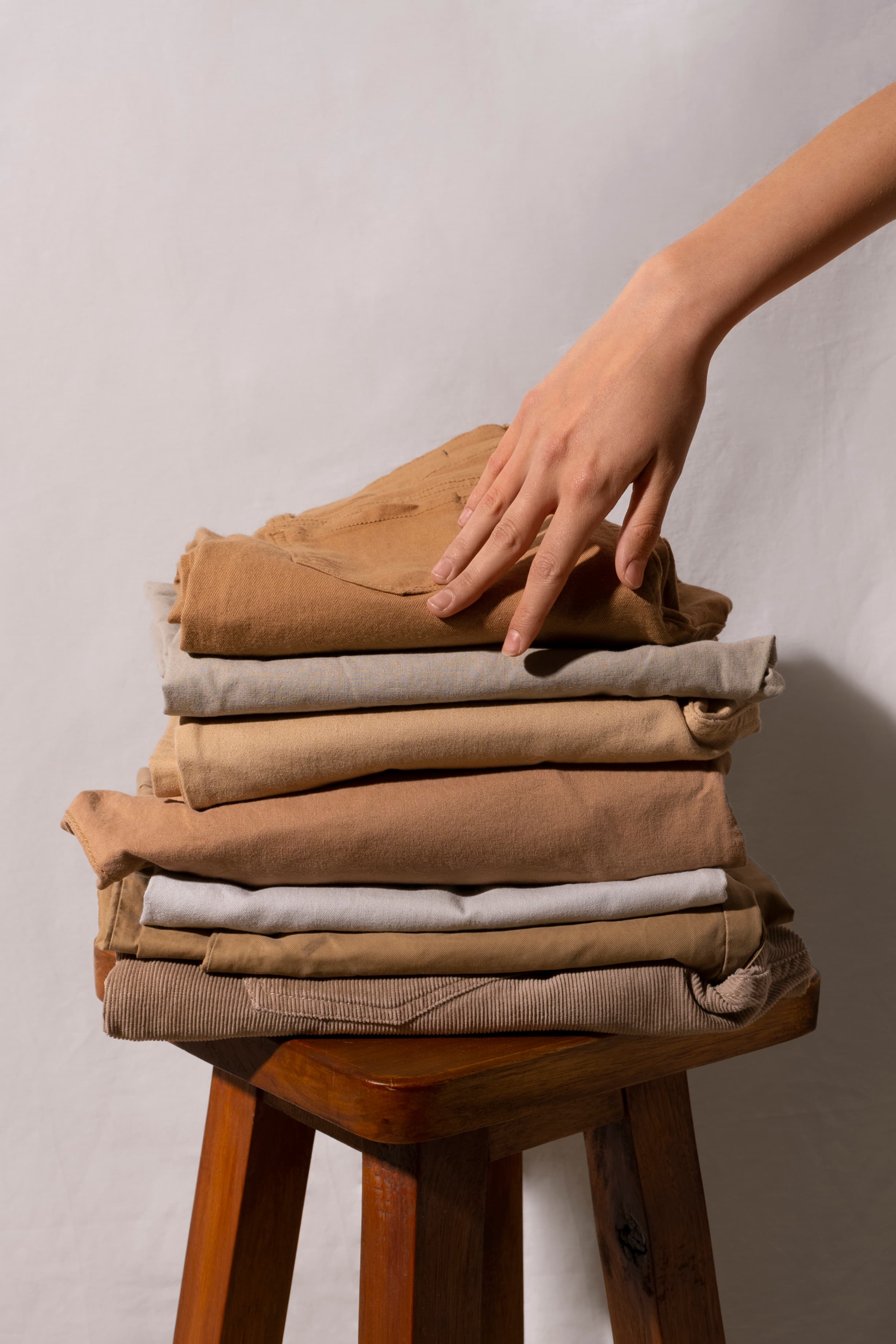
Before you buy a single bin or container, you've got to declutter. This step isn't just important; it's the non-negotiable foundation for successful toy organization ideas for small spaces. Imagine trying to organize a flood with a teacup – it won't work! Start by going through every toy with your child (if they're old enough) and sort them into three piles: Keep, Donate/Sell, and Trash/Recycle. Be brutally honest about what's truly played with versus what's just taking up precious floor space.
Aim for a quick 15-minute 'power declutter' session weekly, or a more extensive one every 3-6 months. A good rule of thumb: if a toy hasn't been touched in three months, it's likely time for it to find a new home. For sentimental items, consider a small keepsake box for each child, limiting them to what fits inside. This prevents sentimental clutter from overwhelming your already limited square footage. Remember, less truly is more when you're working with compact living areas.
Involve your kids by asking them which toys they love most, which ones they've outgrown, or which they think another child would enjoy. This teaches them decision-making and empathy, making them part of the solution. For younger kids, you might do a 'stealth declutter' after bedtime, quietly removing broken items or obvious discards. Don't feel guilty; you're creating a better play environment.
Pro tip: Implement a 'one in, one out' rule. When a new toy comes into the house (birthdays, holidays), an old one needs to find a new home. This keeps the toy volume manageable and prevents accumulation from the start, a crucial strategy for any small space. This simple habit will save you countless hours of future decluttering and ensure your toy collection stays within bounds.
#2. Implement a Smart Toy Rotation System for Small Spaces

A toy rotation system is one of the smartest toy organization ideas for small spaces. Instead of having every toy accessible all the time, you divide toys into active and stored groups. This isn't just about reducing visual clutter; it actually makes toys feel new and exciting again when they reappear. Plus, it encourages deeper, more focused play with fewer distractions.
Here's how it works: Designate three groups of toys. One group is actively available for play, another is stored away, and a third might be for future rotation or seasonal items. Store the 'out of rotation' toys in opaque bins with lids, like the Sterilite 18-gallon totes from Target or clear plastic containers from The Container Store, in a closet, garage, or even under a bed. This keeps them out of sight and out of mind until it's their turn. The opaque bins are key – out of sight, out of mind for little ones!
Rotate toys every 1-4 weeks, depending on your child's interest and the volume of toys. This keeps things fresh and prevents boredom. When a child has fewer choices, they tend to play more deeply and creatively with what's available. Think about it: less overwhelm, more engagement. Plus, cleanup is infinitely easier when there are fewer items to put away at the end of the day.
But wait—don't just dump toys into a bin. Group similar items together (e.g., all building blocks in one bin, all animal figures in another). This makes rotation simpler and ensures a balanced variety of play options when you swap. This system is a secret weapon for maintaining order in a small home, keeping the play area fresh without constant new purchases. It's about maximizing the value of the toys you already own.
#3. Utilize Vertical Space with Smart Storage Solutions
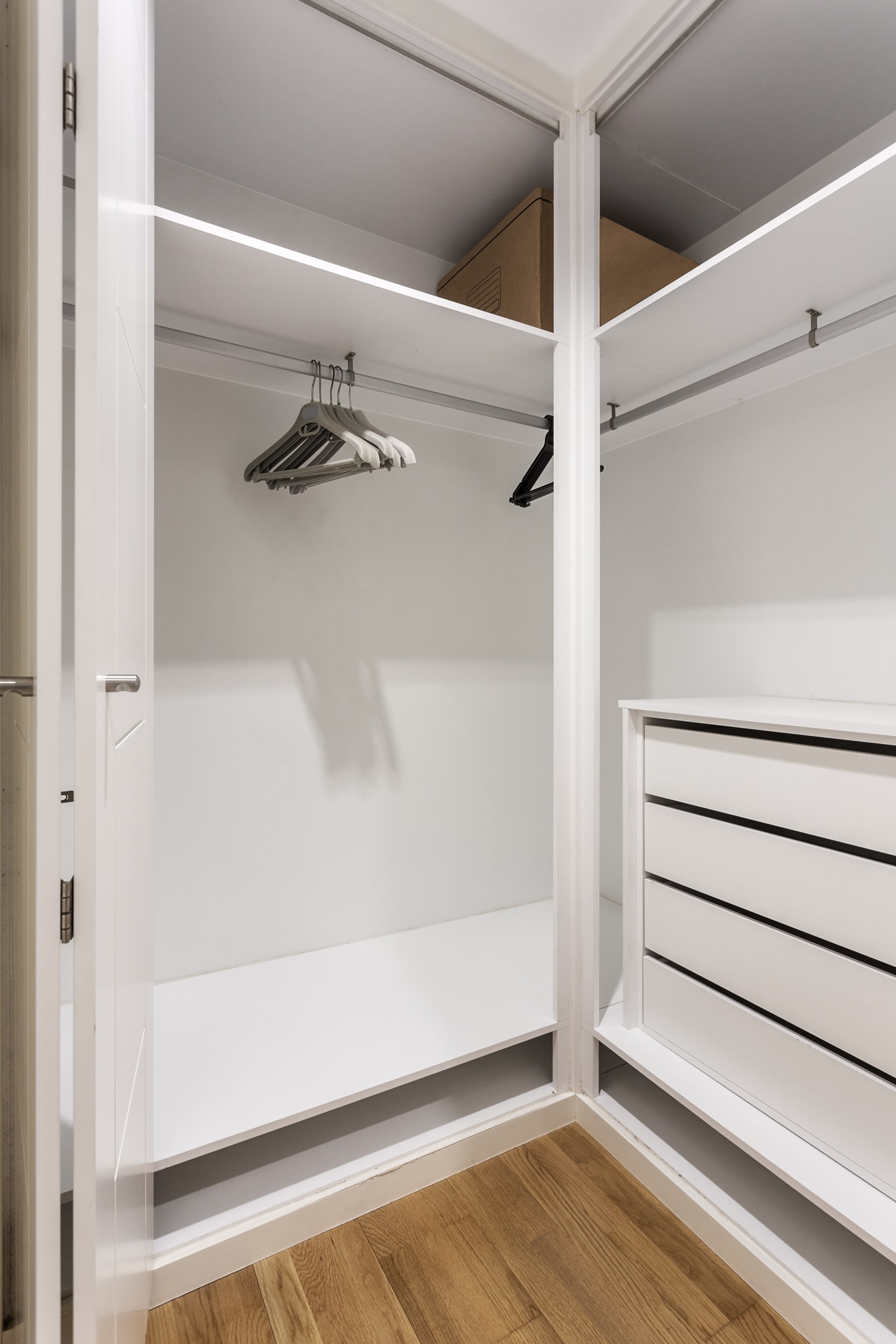
When floor space is scarce, look up! Vertical storage is one of the most effective toy organization ideas for small spaces. Think shelves, wall-mounted units, and even over-the-door organizers. Every inch of vertical real estate can be put to work, transforming blank walls into functional storage hubs. Why let all that potential go to waste?
Iconic cube organizers, like the IKEA KALLAX series, are perfect. A 2x2 or 2x4 unit can fit snugly against a wall, providing dedicated spots for fabric bins (like IKEA DRÖNA inserts) filled with toys. This keeps clutter contained and off the floor, making vacuuming a breeze. For even smaller areas, floating shelves, such as the IKEA LACK, can hold smaller collections or display favorite items, adding both storage and decor. Just be sure to place them at a height accessible to your child, or out of reach for items you want to control.
Don't forget the back of doors! An over-the-door shoe organizer with clear pockets is fantastic for small items like LEGO minifigures, small cars, craft supplies, or Barbie accessories. The clear pockets make it easy for kids to see and grab exactly what they want, minimizing digging and mess. You can also install pegboards on walls for hanging baskets and tools, turning a blank wall into a functional storage hub for art supplies or dress-up clothes. The possibilities are endless.
Remember to anchor all shelving units to the wall for safety, especially in a child's room. This simple step ensures everything stays put, even during energetic play. Maximizing vertical space means you're not just organizing; you're creating a more functional, safer, and visually appealing environment for your kids. It's about thinking three-dimensionally.
#4. Choose Multi-Functional Furniture Wisely for Toy Organization
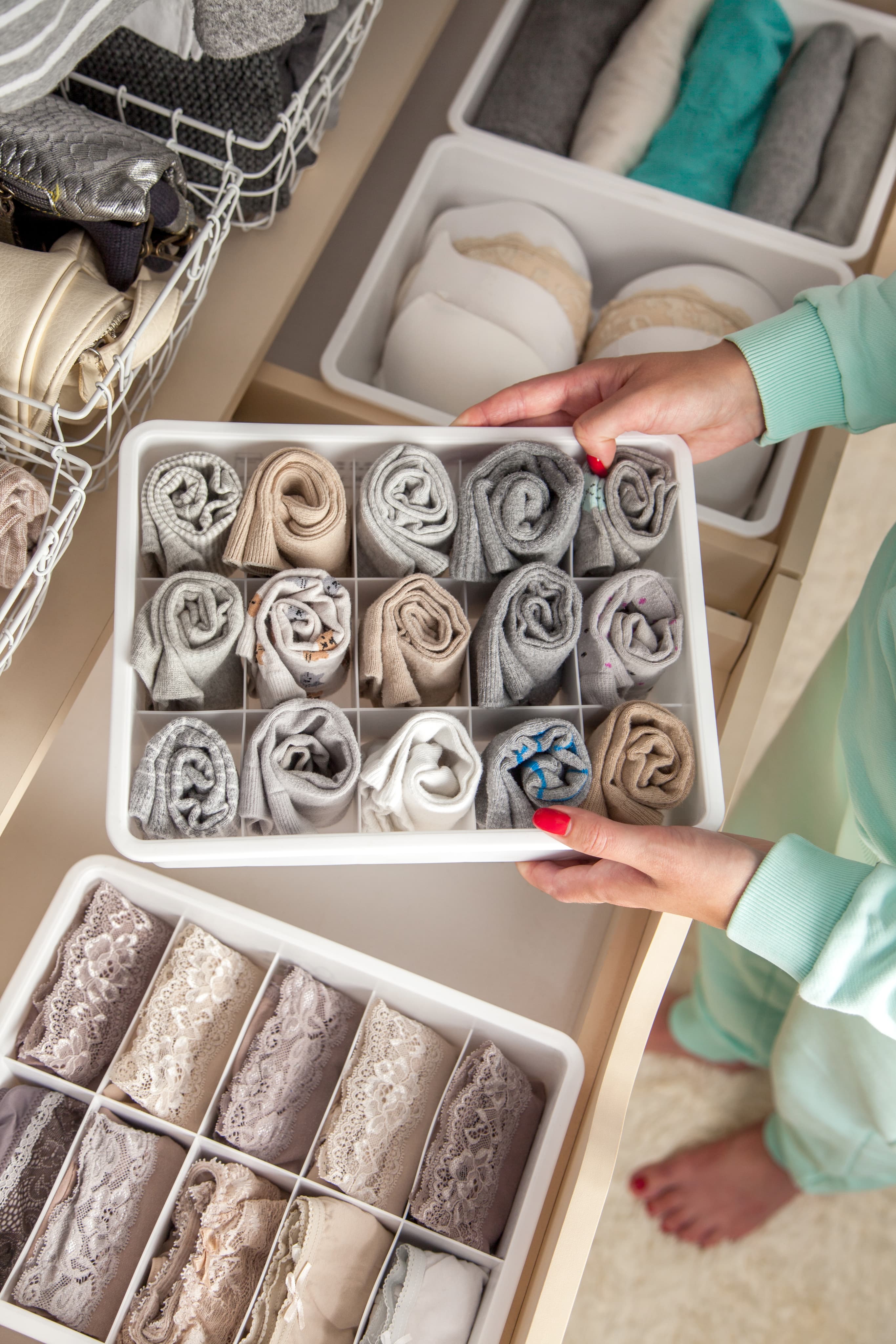
Every piece of furniture in a small space should ideally serve more than one purpose. This is a golden rule for toy organization ideas for small spaces. Look for items that offer hidden storage or double as play surfaces. Why buy a single-purpose item when you can get double the utility? This is where smart design truly shines.
Storage ottomans are fantastic. They provide extra seating, a footrest, and a perfect hideaway for soft toys, dress-up clothes, or blankets. The Target Room Essentials storage ottoman, for example, comes in various colors and is surprisingly spacious for its footprint. Coffee tables with lift-tops or built-in drawers can conceal board games, art supplies, or even a few small toy sets, keeping your main living area tidy and ready for adult use at a moment's notice.
Consider benches with cubbies or lift-top storage, especially if placed under a window. They offer a cozy reading nook and a place to stash bulkier items like train sets or large blocks. Daybeds, like the IKEA BRIMNES, often come with generous drawer storage underneath, perfect for out-of-season clothes or larger toy sets that aren't part of the active rotation. Even a small bedside table with a drawer can hold a child's current favorite book and a few small toys, keeping their sleep space calm.
The real secret? Investing in a few key pieces of multi-functional furniture can drastically reduce visible clutter without adding extra bulk to your small rooms. It's about making your furniture work harder for you, seamlessly integrating storage into your everyday living. This approach transforms furniture from mere objects into powerful organizing tools.
#5. Master Under-Bed & Door Storage for Hidden Toy Zones

Don't overlook those often-forgotten zones: under the bed and behind the door. These are prime real estate for toy organization ideas for small spaces, offering hidden storage that keeps your main living areas clear. Think of them as secret compartments, perfect for stashing items you don't need to access daily but still need a home. Every square inch counts!
Under-bed storage bins are a lifesaver. Look for shallow, wheeled containers that easily slide in and out. Clear bins, like the Amazon Basics Under-Bed Storage Container with Wheels, are great for seeing contents at a glance, while opaque ones keep things neatly out of sight. They're perfect for larger toy sets, building blocks, or the 'out of rotation' toys we discussed earlier. Just make sure to measure your bed frame clearance before purchasing – nothing worse than a bin that won't fit!
Behind-the-door solutions go beyond simple shoe organizers. Install simple hooks for hanging mesh laundry bags filled with stuffed animals or soft sports equipment. The Elfa Door and Wall Rack System from The Container Store, while an investment, offers incredible customizable storage for a wide variety of items, from small craft supplies to books and games. Even a simple over-the-door hook can hold a fabric tote bag for daily tidying, a quick spot for stray items before bedtime.
These spots are ideal for items that don't need to be accessed constantly but still need a home. By utilizing these often-ignored areas, you free up valuable shelf and floor space, making your small rooms feel much larger and more organized. It's about maximizing every nook and cranny, turning dead space into functional storage.
#6. Zone Your Play Areas Effectively, Even in Tight Spaces

Even in a small space, creating designated 'zones' for different types of play can drastically improve toy organization. This helps kids know where to find things and, more importantly, where to put them back. It's about creating order within the chaos, giving everything a logical home. No more 'everything in one big pile' syndrome!
Think about what types of play your child enjoys most. Maybe it's a 'reading nook' with a small basket for books and a cozy pillow. Perhaps a 'LEGO zone' where all bricks live in a specific bin, or an 'art station' with a small caddy of crayons and paper. You don't need walls to define these areas; a small rug can visually define an area, even in the corner of a living room. We've covered general kids playroom organization tips before, and these principles apply even to the smallest nooks.
Keep related items together. All art supplies in one caddy. All doll accessories in one small bin. This minimizes the spread of clutter and makes cleanup more efficient. When a child is done with art, they know exactly which container to put away. This strategy empowers them to take ownership of their space and understand the logic of organization. It's a powerful lesson in responsibility.
Consider portable options for zones. A rolling cart, like the IKEA RÅSKOG, can serve as a mobile art station that rolls out for playtime and tucks into a closet when not in use. This flexibility is key for small spaces where areas might need to serve multiple functions throughout the day. A simple blanket and a few pillows can transform a corner into a reading haven, easily packed away when guests arrive. Adaptability is your best friend.
#7. Label Everything for Easy Cleanup & Independent Play

Labels aren't just for adults; they're incredibly helpful for kids and a vital part of effective toy organization ideas for small spaces. Labels remove guesswork, making it crystal clear where every toy belongs. This empowers children to help with cleanup, fostering independence and significantly reducing your workload. Imagine cleanup without constant nagging!
For pre-readers, use picture labels. Take photos of the actual toys that belong in a bin and print them out, or use free printable picture labels from sites like Pinterest. Affix these to the front of bins, drawers, or shelves. For older kids, text labels work well. A simple label maker, like a Brother P-Touch, can create clear, durable labels in minutes. This consistency helps everyone in the household understand the system, from toddlers to grandparents.
Why do kids ignore the 'toy box' sometimes? Often, it's because it's a giant, undefined void. Specific labels mean they don't have to guess where the blocks go versus the cars. This visual cue simplifies the cleanup process, turning a daunting task into a series of small, manageable actions. You'll hear fewer 'I can't find it!' complaints and see more toys put away correctly. It's a small investment of time for a huge payoff in daily peace.
Make labeling a fun activity. Let your child help choose the pictures or fonts, or even draw their own labels. When they're invested in the system, they're more likely to maintain it. Clear labeling is a small effort with a huge payoff in terms of daily order and reduced stress. It teaches them valuable life skills and makes your small space feel much more manageable.
#8. Utilize Portable & Flexible Bins for Toy Organization

Fixed, heavy storage units can be restrictive in small spaces. Instead, lean into portable and flexible bins. These are essential for toy organization ideas for small spaces because they allow for easy access, quick tidying, and can be moved or hidden when not in use. Think about it: your space needs to adapt, and so should your storage.
Fabric bins are incredibly versatile. They come in various sizes and colors, perfect for fitting into cube organizers or simply sitting on a shelf. The IKEA DRÖNA bins, designed for KALLAX units, are a popular choice, but Target's Brightroom fabric bins offer similar flexibility and style. They're lightweight, soft (so no bruised toes!), and can collapse when empty, which is great for storing away if you need the space for something else. Plus, they look much nicer than plastic in a living room.
Small caddies with handles are perfect for art supplies, LEGOs, or small collections of figures. A plastic caddy from Amazon Basics can hold crayons, markers, and glue sticks, then be easily carried to the kitchen table for art time, and tucked away in a cupboard when finished. This keeps supplies together and prevents them from scattering across multiple surfaces. It's about creating grab-and-go solutions.
Consider rolling carts, like the aforementioned IKEA RÅSKOG, for toys that need to be mobile. One cart could hold all current craft projects, another could be a 'baby toy station' that moves between rooms as needed. The key is that these solutions aren't permanent fixtures. They adapt to your needs, making cleanup and spontaneous play much easier in a cramped home. This flexibility is what makes small space living truly functional.
#9. Create a 'Landing Zone' for Daily Toy Tidy-Up

Even with the best systems, daily life happens. Toys will inevitably migrate. That's why a 'landing zone' for daily tidy-up is a secret weapon for toy organization ideas for small spaces. This isn't a permanent storage spot, but rather a temporary holding area for items that need to be put away at the end of the day. It prevents that overwhelming 'toy explosion' feeling.
Designate one attractive basket or bin, perhaps a woven one that blends with your decor, in a central living area. At the end of the day, or before bed, all stray toys go into this basket. It's a quick, low-effort way to clear surfaces and restore calm. The next morning, or at a designated 'cleanup time,' the contents of the basket can be sorted into their proper homes. This breaks down a big task into smaller, more manageable chunks.
This system is particularly effective for small items that tend to scatter, like small figures, puzzle pieces, or craft scraps. Instead of spending 20 minutes hunting for each item's specific home, you spend 2 minutes gathering everything into one spot. It's a pattern interrupt for chaos. It also teaches kids that even if a toy isn't put away immediately, it still has a temporary 'home' before its final destination.
Think of it as a 'reset button' for your living space. It allows for spontaneous play without the immediate pressure of perfect cleanup, knowing there's a system in place to restore order. This simple habit can drastically reduce stress and keep your small home feeling organized, even on the busiest days. It's about managing the flow, not just the static storage.
#10. Apply the 'Less is More' Philosophy for Toy Collections

This final tip underpins all effective toy organization ideas for small spaces: lean into the 'less is more' philosophy. No matter how clever your storage solutions, if you have too many toys, your small space will always feel overwhelmed. This isn't about deprivation; it's about intentionality and quality over quantity.
Regularly assess your child's toy collection. Are they truly playing with everything? Often, children are more engaged and creative with a smaller, curated selection of toys. Too many options can lead to decision fatigue and superficial play. Consider open-ended toys that encourage imagination, like building blocks, art supplies, or dress-up clothes, rather than single-purpose items that quickly lose appeal.
This philosophy extends beyond decluttering. It influences purchasing decisions. Before bringing a new toy into the house, ask yourself: Does this toy align with our family's values? Will it be genuinely played with? Does it have a designated home? If the answer is no, reconsider. This mindful approach prevents clutter from accumulating in the first place, which is the ultimate goal for small space living.
Teaching children to value what they have, rather than constantly wanting more, is a powerful life lesson. A smaller, well-organized collection of beloved toys can bring more joy and foster deeper play than a mountain of forgotten items. For small spaces, this isn't just an organizing tip; it's a lifestyle choice that leads to a calmer, more harmonious home. It's about creating space for what truly matters.
Key Terms
- Toy Rotation
- A system where only a portion of toys are accessible at a time, with others stored away and swapped out periodically to maintain interest and reduce clutter, especially useful for toy organization ideas for small spaces.
- Vertical Storage
- Utilizing wall space for storage using shelves, wall-mounted units, or hanging organizers, ideal for small rooms where floor space is limited.
- Multi-functional Furniture
- Furniture pieces designed to serve more than one purpose, such as an ottoman with storage or a coffee table with drawers, maximizing utility in compact homes.
- Zone Organizing
- Dividing a room into designated areas for specific activities or items, even without physical barriers, to create order and ease of cleanup.
- Decluttering
- The process of removing unnecessary or unused items from a space to reduce clutter and improve organization and functionality.
FAQ
How do I get my kids to help organize toys?
Involve them from the start! Use picture labels for pre-readers, make cleanup a game, and have designated spots for everything. When they understand the system and feel ownership, they're more likely to participate and maintain order.
What's the best way to store LEGOs in a small space?
For LEGOs in small spaces, try clear, stackable bins with lids, categorized by color or type. Small parts can go in tackle boxes or clear over-the-door organizers. A dedicated LEGO mat that cinches into a bag is also great for quick cleanup and portability.
Should I store toys in the living room?
Yes, if it's the main play area! Use attractive, discreet storage like lidded baskets, storage ottomans, or multi-functional furniture. The goal is to make it easy to put toys away quickly, blending them seamlessly into your decor when not in use, which is key for toy organization ideas for small spaces.
How often should I declutter toys?
Aim for a quick 15-minute declutter weekly to handle obvious discards. Plan a more thorough session every 3-6 months to assess what's truly played with and what can be donated or rotated out of active circulation. Consistency is key!
Can I organize toys without spending a lot of money?
Absolutely! Start by decluttering – that costs nothing. Repurpose existing containers, cardboard boxes, or laundry baskets. Focus on a toy rotation system, and only buy specific items like a few fabric bins or a rolling cart when you know exactly what you need, after assessing your space.
Sources & Resources
See Your Space Organized
Snap a photo of any room. Our AI shows you what it could look like, organized — in seconds.
Try It FreeRead Next
