
TL;DR
Overwhelmed by a small closet? Start by **decluttering ruthlessly** using the 3-bin method. Maximize every inch with **vertical storage** like stackable bins and hanging cubbies. Optimize hanging space with **slim velvet hangers** and double rods, then master folding techniques for drawers and shelves. Tame accessories with over-the-door solutions, implement a **"one in, one out" rule** for new purchases, and commit to seasonal swaps and quick weekly tidies to maintain your organized small closet.
Key Takeaways
- Declutter your entire closet using the Keep/Donate/Sell/Toss method.
- Maximize vertical space with shelves, stackable drawers, and hanging organizers.
- Optimize hanging space with slim velvet hangers and double rods.
- Master vertical folding (KonMari) and use drawer dividers for folded items.
- Tame accessories and shoes with creative over-the-door and clear storage solutions.
- Maintain order with a "one in, one out" rule, seasonal swaps, and regular tidies.
Feeling suffocated by a tiny closet bursting at the seams? You're not alone. It’s a common struggle, especially when you have a passion for fashion or just a lot of essentials. But here’s the secret: learning how to organize a small closet with lots of clothes isn't about throwing everything out; it's about smart, strategic solutions.
Here's the good news: you can absolutely create a functional, beautiful closet that holds everything you love, even in a compact space. We'll show you exactly how, step-by-step, to make your small closet feel anything but small. Ready to transform your cramped space into an organized oasis?
#1. Declutter Strategically
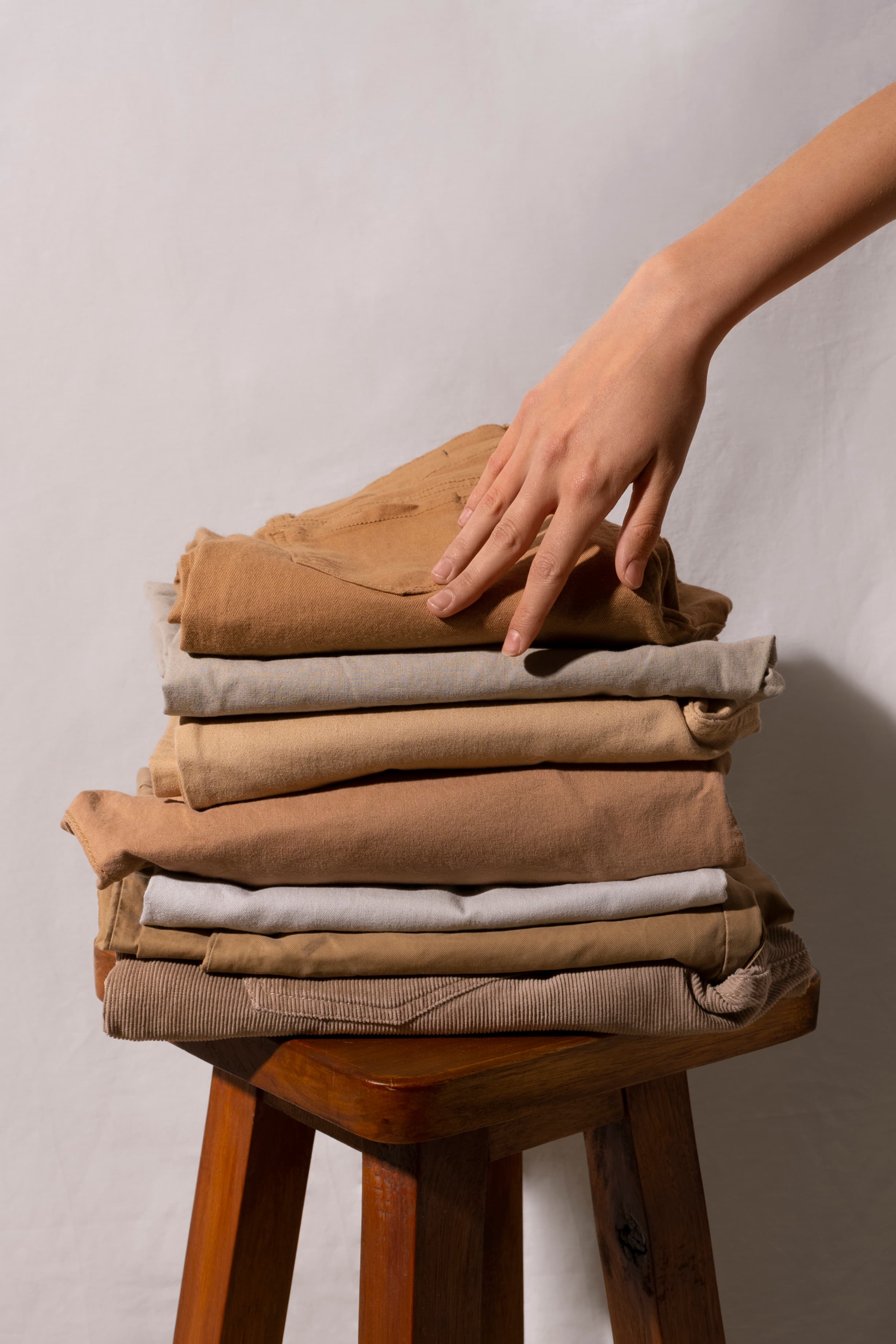
First things first: you can’t organize clutter. Pull everything out of your closet. Yes, everything. Lay it all out on your bed or floor. This visual shock is often the kickstart you need to be ruthless.
Now, sort each item into four piles: Keep, Donate, Sell, or Toss. Ask yourself: "Have I worn this in the last year?" "Does it fit well?" "Is it in good condition?" Be honest. If it's stained, torn, or ill-fitting, it's time to let it go. Don’t hold onto clothes "just in case" they fit again or for a "someday" event that never comes. This is your chance to reclaim valuable space.
Quick tip: Use the 3-bin method. Grab three laundry baskets or bins. Label them Donate, Mend, and Relocate. As you go through items, toss them into the appropriate bin. This keeps you moving quickly and prevents decision fatigue. The goal isn't perfection, it's progress. Don't get bogged down in agonizing over every single piece.
For sentimental items, consider storing them in a dedicated memory box outside your closet. Your closet space is prime real estate for what you actually wear. Remember, less truly is more when you're working with limited space. Once you've made your decisions, immediately bag up the Donate/Sell/Toss items and get them out of your house. Don't let them linger. This critical first step makes all the difference in learning how to organize a small closet effectively.
#2. Maximize Vertical Space

Your closet has more storage potential than you think – look up! Walls and doors are often overlooked goldmines. Start by installing shelves above your existing hanging rod if there's unused space. Simple wire shelves from Target's Brightroom collection or custom-cut melamine boards can add significant storage for folded items, bins, or even shoes. Think about adding a shelf just 12-18 inches above your rod; that small addition can make a huge impact.
Consider stackable solutions for the floor or existing shelves. IKEA SKUBB boxes are fantastic for out-of-season items or less-frequently worn accessories. Their collapsible design makes them versatile, and they come in various sizes to fit different spaces. For items you access daily, clear stackable drawers, like those from Container Store's Like-It collection, allow you to see contents at a glance and keep things tidy. You can stack them 2-3 high without issues, creating a mini-dresser within your closet.
Pro tip: If you can’t add permanent shelving, use hanging cubbies or shelf dividers. A hanging cubby system, often with 5-6 fabric 'shelves,' can instantly add folded storage for sweaters, jeans, or even handbags. Shelf dividers, often under $10 for a set of two on Amazon, prevent stacks of clothes from toppling over, creating neat, distinct sections. This simple trick alone can make a huge difference in how much you can store neatly. Once you've utilized every inch of vertical space, your small closet will already feel so much more functional and spacious. It's truly about working smarter, not harder, with the space you have.
#3. Optimize Hanging Rods
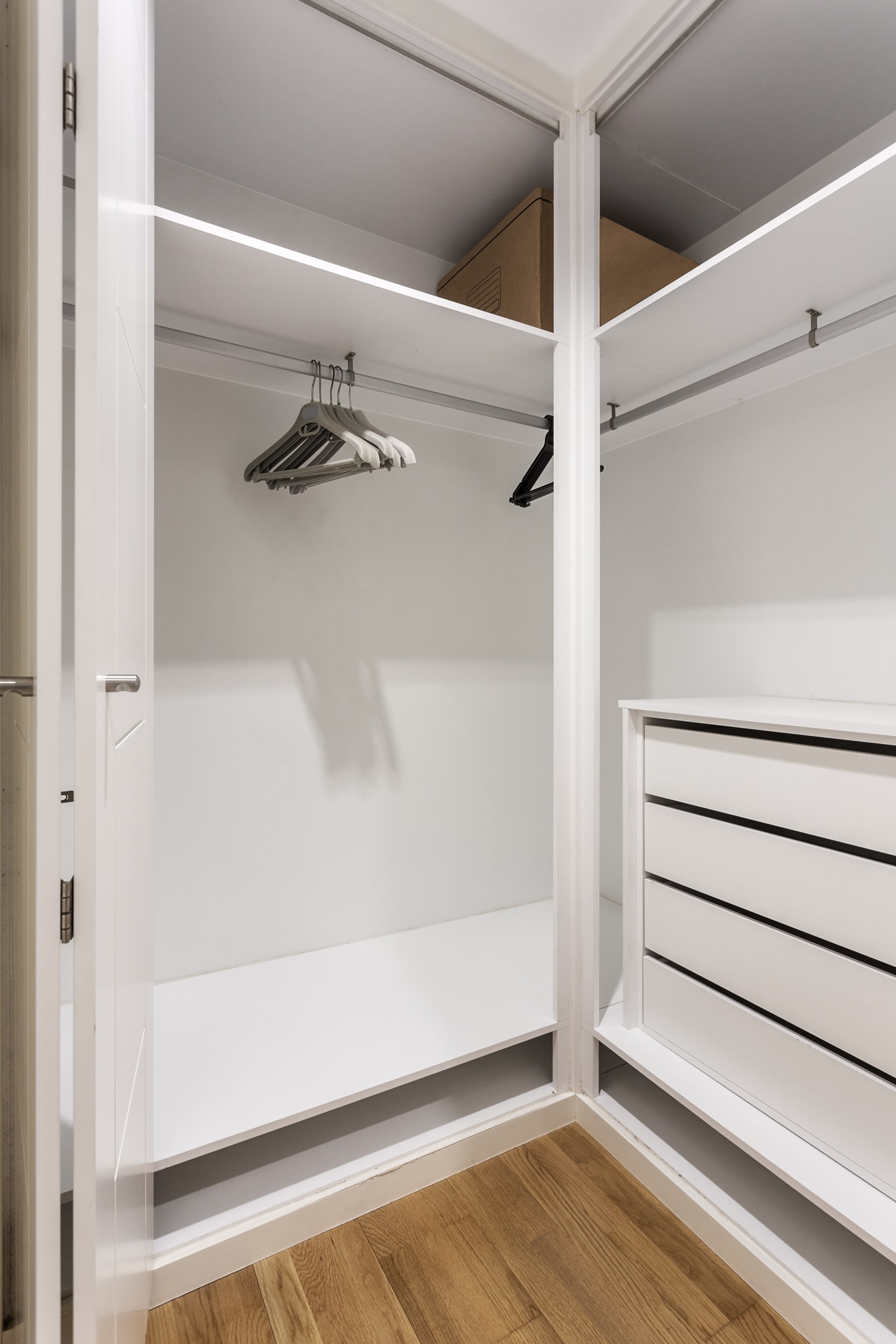
Your hanging space is precious, so make it work harder. The first step is ditching bulky plastic or wire hangers. Switch to velvet slimline hangers – they're incredibly efficient. These non-slip wonders are incredibly thin, instantly freeing up 30-50% more hanging space compared to traditional hangers. Plus, your clothes won't constantly slide off, which is a satisfying win, and they create a uniform, aesthetically pleasing look.
Next, assess if a double-hanging rod system would benefit you. If you have a lot of blouses, skirts, or pants that are shorter than a dress, adding a second rod (either a permanent installation or a temporary tension rod) underneath your main rod effectively doubles your hanging capacity. You can find easy-to-install kits at hardware stores like Home Depot for around $25, or simply use a sturdy tension rod for a no-drill solution. This is a brilliant way to maximize vertical space you might not even realize you have.
Organize your hanging clothes by type (blouses, dresses, skirts) and then by color. This visual consistency makes it incredibly easy to find what you're looking for and helps you see your entire wardrobe at a glance. Imagine that smooth, satisfying slide as you browse your perfectly aligned clothes. For an extra touch, consider facing all hangers the same direction. Don't forget garment bags for special occasion wear or delicate items; they protect while still utilizing vertical space and keeping dust away. With optimized hanging, you're ready to tackle the trickier folded items and truly organize a small closet for maximum efficiency.
#4. Master Drawer & Shelf Organization
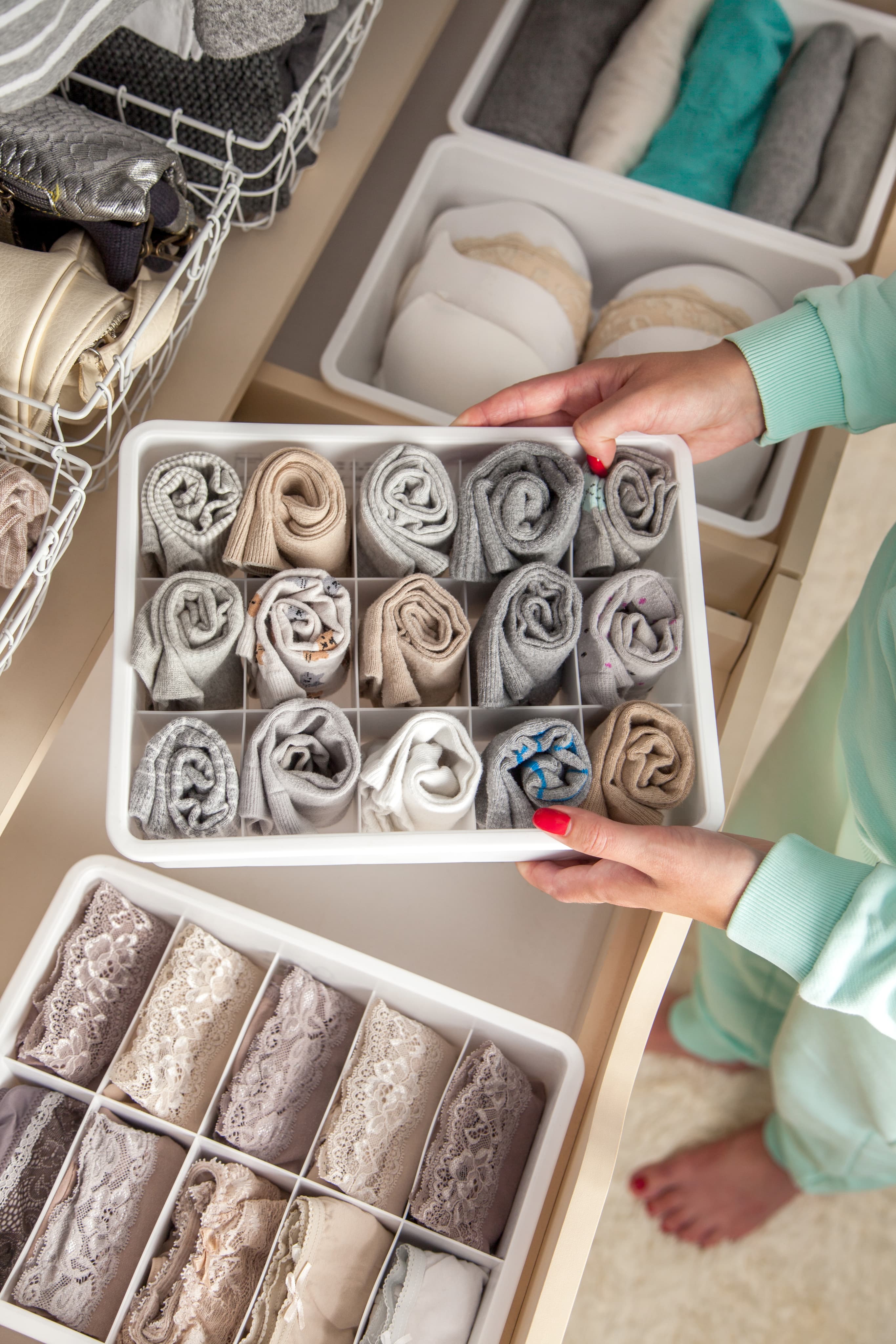
For items that don't hang well – think sweaters, t-shirts, jeans, and activewear – shelves and drawers are your best friends. The key here is folding technique. The KonMari folding method (folding clothes vertically so they stand upright) is incredibly efficient. It allows you to see every item in a drawer at once, preventing the dreaded "digging" through piles. You'll be amazed at how many more items fit neatly, and how much easier it is to grab what you need without disturbing the rest.
To keep those folded stacks organized, use drawer dividers or small bins. Amazon Basics drawer organizers come in various sizes and are perfect for separating socks, underwear, or even small accessories like scarves or belts. On shelves, use clear bins or baskets to contain items. This keeps stacks from toppling and gives a clean, uniform look. For example, use one bin for all your workout tops and another for pajamas. This containment strategy is essential in a small closet, preventing visual clutter and making retrieval a breeze.
Pro tip: Label your bins and shelves! A simple label maker or even handwritten tags ensures everything goes back in its designated spot, making daily retrieval and put-away much faster. This small effort saves significant time and mental energy. You'll free up mental energy knowing exactly where everything lives, and your closet will feel less like a battleground and more like a well-stocked boutique. Once your drawers and shelves are tidy, you'll feel a sense of calm every time you open them. This organized approach to folded items sets you up for success with the smaller, often chaotic, accessories.
#5. Tame Accessories & Shoes

Accessories and shoes can quickly become a jumbled mess, especially in a small closet. Think creatively about storage solutions. For shoes, ditch bulky boxes. Invest in a hanging shoe organizer that hooks over your closet rod – many offer 10-20 slots for sneakers, flats, or sandals. Alternatively, clear, stackable shoe boxes from The Container Store keep shoes visible and protected, neatly stacked on a shelf or the floor. For boots, consider boot shapers to maintain their form and store them upright, either on the floor or a lower shelf.
Jewelry often gets tangled or lost. A hanging jewelry organizer with clear pockets can be hung on the back of your closet door or inside the closet, keeping necklaces, earrings, and bracelets visible and accessible. For smaller pieces like rings and stud earrings, tiered trays or small drawer inserts with velvet lining work wonders, preventing tangles and scratches. Don't let your beautiful accessories get lost in the shuffle; give them a dedicated home.
Quick tip: Use over-the-door organizers for belts, scarves, or even hats. A simple hook rack on the back of your closet door can hold multiple items without taking up precious internal space. For scarves, consider a specialized hanger with multiple loops, allowing you to display and access them easily. Even a simple command hook on the inside of your closet door can hold a favorite handbag or a collection of baseball caps. Every inch counts when you're learning how to organize a small closet, so utilize these often-forgotten areas. With your accessories and shoes neatly organized, you'll finally feel like you have a complete, functional wardrobe, even in your compact space.
#6. Implement a "One In, One Out" Rule

Maintaining an organized small closet is just as important as the initial setup. The "one in, one out" rule is a simple yet powerful strategy to prevent your closet from overflowing again. Every time you buy a new item of clothing, commit to donating or discarding an old one. This isn't about deprivation; it's about mindful consumption and respecting your limited space. Think of it as a constant curator for your wardrobe.
This rule forces you to make conscious decisions about what you truly need and love. Instead of accumulating mindlessly, you're actively curating a wardrobe that serves you well. It also encourages you to regularly evaluate your wardrobe, ensuring that everything in your closet serves a purpose, fits well, and makes you feel good. This becomes a continuous mini-decluttering process, preventing clutter from snowballing and making the task of how to organize a small closet much easier long-term.
Pro tip: Keep a donation bag or bin in an accessible spot, perhaps in your laundry room or garage. As soon as you decide an item needs to go, place it in the bag. When the bag is full, take it to your chosen charity. This immediate action prevents items from piling up and becoming new clutter in your living space. For new purchases, consider a "holding zone" for a week or two. When a new shirt comes in, place an old shirt in the donation bag. This continuous cycle of evaluation and release is crucial for keeping your small closet organized for the long haul. And speaking of long-haul, let's talk about seasonal changes.
#7. Seasonal Swap & Regular Maintenance

Even the most organized small closet benefits from a seasonal swap. When summer ends, pack away your sundresses and sandals. Before storing, ensure all items are clean and mended to prevent damage or odors. Store them in under-bed storage bins, vacuum-seal bags (which dramatically reduce bulk), or dedicated storage containers on high shelves. Label these bins clearly (e.g., "Summer Tops," "Winter Sweaters") for easy retrieval next year. This frees up prime closet real estate for your current season's wardrobe, making your daily choices simpler and your closet less crowded. We've covered this in more detail in our article on a seasonal closet swap guide.
Beyond seasonal swaps, schedule quick, 15-minute weekly tidies. This isn't a full overhaul, but a quick reset. Hang up clothes immediately after wearing them, refold anything that's gone awry, and put items back in their designated spots. Take a moment to sweep or vacuum the closet floor if needed. This prevents small messes from snowballing into overwhelming clutter and reinforces your new organizing habits. Consistency is key to keeping your small closet organized and functional.
Want to see what your closet could look like with a fresh perspective? Orderly's AI room transformation tool can help. Just snap a photo of your space, and our AI shows you potential layouts and organization ideas in seconds. It’s a great way to visualize possibilities and get inspired! With these consistent habits, your small closet will stay beautifully organized, making your mornings smoother and your style effortless. Imagine the peace of mind knowing exactly where everything is, every single day.
Key Terms
- Declutter
- The process of removing unnecessary items from a space to create more room and reduce visual noise, a crucial first step when learning how to organize a small closet.
- Vertical Storage
- Utilizing the height of a space, from floor to ceiling, with shelves, stackable bins, and hanging organizers to maximize storage capacity.
- KonMari Method
- An organizing philosophy by Marie Kondo that emphasizes keeping only items that "spark joy" and folding clothes vertically to save space and improve visibility.
- One In, One Out Rule
- A maintenance strategy where for every new item brought into a space (like a closet), one existing item must be removed, preventing accumulation.
- Slimline Hangers
- Thin, often velvet-flocked hangers designed to save space on a hanging rod and prevent clothes from slipping off.
FAQ
How do I start organizing a small closet if I feel overwhelmed?
Begin by pulling *everything* out and sorting into Keep, Donate, Sell, or Toss piles. Focus on making quick decisions for each item. Don't aim for perfection right away; just get everything into a category. This initial purge is the most impactful step.
What are the best hangers for a small closet?
Hands down, **velvet slimline hangers** are the best. They take up significantly less space than plastic or wooden hangers and have a non-slip surface, which means your clothes stay put. You'll gain valuable inches on your hanging rod.
Can I organize a small closet without buying new products?
Absolutely! Start with a thorough declutter. Then, repurpose existing items like shoe boxes for drawer dividers or use laundry baskets as temporary bins. While new products can optimize space, smart folding and decluttering are free and highly effective ways to organize a small closet.
How often should I declutter my closet?
A major declutter is great for a fresh start, but regular maintenance is key. Aim for a mini-declutter every 3-6 months, especially during seasonal wardrobe changes. Implementing the **"one in, one out" rule** helps keep clutter at bay continuously.
What's the best way to store out-of-season clothes in a small space?
Utilize under-bed storage bins, vacuum-seal bags, or dedicated storage containers on high shelves. Label everything clearly. Keeping off-season items out of your main closet frees up prime real estate for what you're currently wearing, making it easier to organize a small closet.
Sources & Resources
See Your Space Organized
Snap a photo of any room. Our AI shows you what it could look like, organized — in seconds.
Try It FreeRead Next
